Facebook
 X
 Pinterest
 Copy Link

Inheriting a home often arrives at the same time as grief. One week you’re helping a parent, and the next you’re holding a set of keys, a folder of paperwork and a long list of questions. If you’ve inherited a house in Carlsbad, Oceanside, Encinitas, Del Mar, Escondido or anywhere in North San Diego County, this guide walks through the general process so you know what to expect.
A quick note before we begin: this article is informational only. Selling an inherited home can involve tax, legal, trust and probate questions that depend on your specific situation. Please consult a licensed estate attorney, CPA or financial advisor for advice about your circumstances.
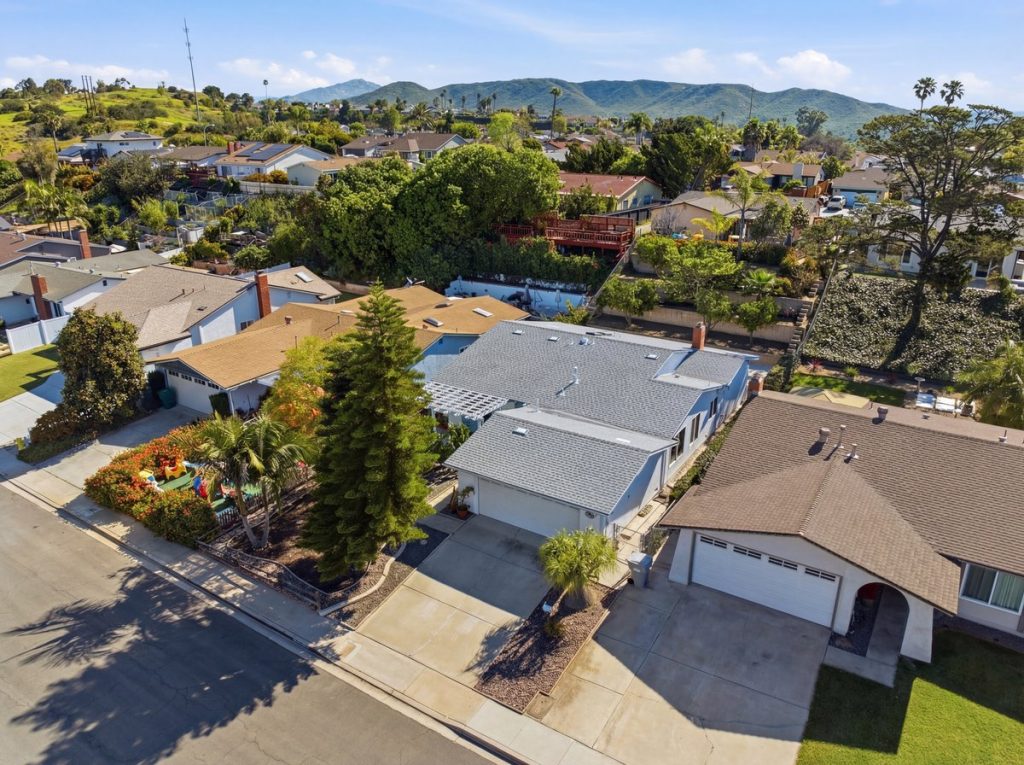
Step One: Understand How the Home Was Passed Down
The first question is usually not “What’s the house worth?” but “Who has the authority to sell it?” The answer depends on how ownership transfers.
If the home was held in a living trust, the successor trustee named in the trust typically manages the property and may be able to sell it without going through court, following the terms of the trust and California law.
If the home was not in a trust, it may need to go through probate, the court-supervised process for settling an estate. In probate, the court appoints an executor or administrator, and depending on the authority granted, a sale may require additional notices or court confirmation. That can affect the timeline.
Other situations include homes held in joint tenancy or transferred through other estate tools. Each has its own steps.
An estate attorney can confirm which path applies and what documents you’ll need before a sale can close. Knowing this early helps everyone plan realistically.
Step Two: Care for the Property in the Meantime
While the legal side gets sorted out, the house still needs attention. A few practical steps many families take:
- Secure the home. Change or account for keys, check that doors and windows lock, and make sure someone is checking on the property regularly.
- Keep insurance in place. Let the insurance carrier know about the change in occupancy. A vacant home may need different coverage.
- Keep utilities on. Power and water make it easier to maintain the home, show it and complete inspections.
- Gather important documents. Look for the deed, trust documents, mortgage statements, property tax bills, HOA information and records of past improvements.
In coastal North County, it’s also worth keeping an eye on things like landscaping, irrigation and moisture, especially if the home sits empty for a while.
Step Three: Sort Belongings at a Pace That Works for You
This is often the most emotional part of the process. Clearing out a home that a parent lived in for decades isn’t a weekend project, and it doesn’t have to be.
Many families start by setting aside items that matter most: photos, heirlooms, letters and pieces with meaning. From there, they decide what to divide among relatives, what to donate and what to sell through an estate sale company. If family members live out of state, a shared list or a video walkthrough can help everyone take part in the decisions.
If time or distance makes this hard, there are local estate sale, cleanout and move management services that can help. I’m happy to share names of local resources when it’s helpful.
Step Four: Decide How to Prepare the Home for Sale
Once you have authority to sell and the house is cleared, the next question is how much to do before listing. Inherited homes in North County range from recently updated condos to homes that haven’t been touched in decades.
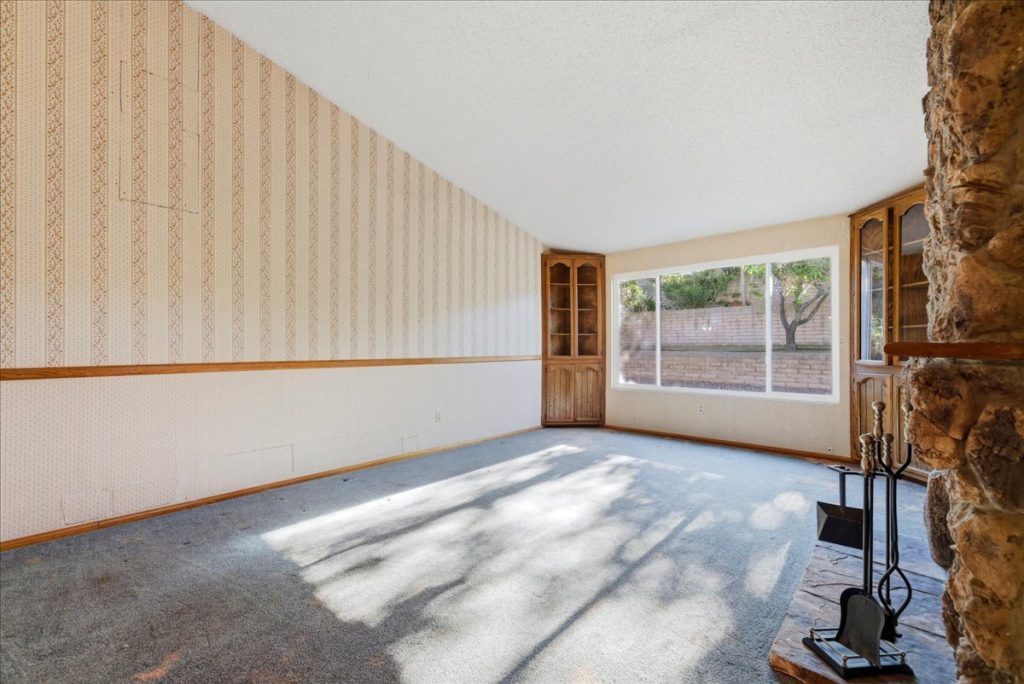
Generally, there are a few options:
- Sell as-is. Some heirs prefer to list the home in its current condition. This can make sense when the home needs significant work or when the family wants a simpler process.
- Make light updates. Fresh paint, deep cleaning, yard cleanup and small repairs can help a home show well without a large investment.
- Take on larger projects. In some cases, bigger improvements may be worth considering, but it’s important to weigh cost, time and the estate’s needs carefully.
A pre-listing inspection can also help everyone understand the home’s condition upfront. I walk through these options with heirs and trustees, looking at the home, the neighborhood and recent local sales so the decision is grounded in real information.
Step Five: Plan for Taxes, Timing and Communication
Heirs often have questions about capital gains, cost basis, property tax reassessment and how sale proceeds are distributed. These rules can be detailed and change over time, which is why a CPA or estate attorney should be part of the conversation before the home goes on the market.
Clear communication among heirs matters too. When several family members share an inheritance, agreeing on the plan, the price range and who will be the main point of contact can prevent stress later. Regular updates help everyone feel informed, especially relatives who live far from San Diego.
Moving Forward with Care
Selling an inherited home in North San Diego County is part real estate, part paperwork and part family. There’s no single right timeline, and it’s okay to take things one step at a time. With the right professionals in place, you can make thoughtful decisions that honor the home and the people connected to it.
If you’d like to talk through your situation, or simply want local context on the home’s value and your options, you can learn more and reach out at karenpietschrealestate.com. I’m glad to help however it’s useful.
Karen Pietsch | Coldwell Banker Realty
North County San Diego
DRE 02049029